THE ODYSSEY: AN ART DIRECTOR’S REVIEW
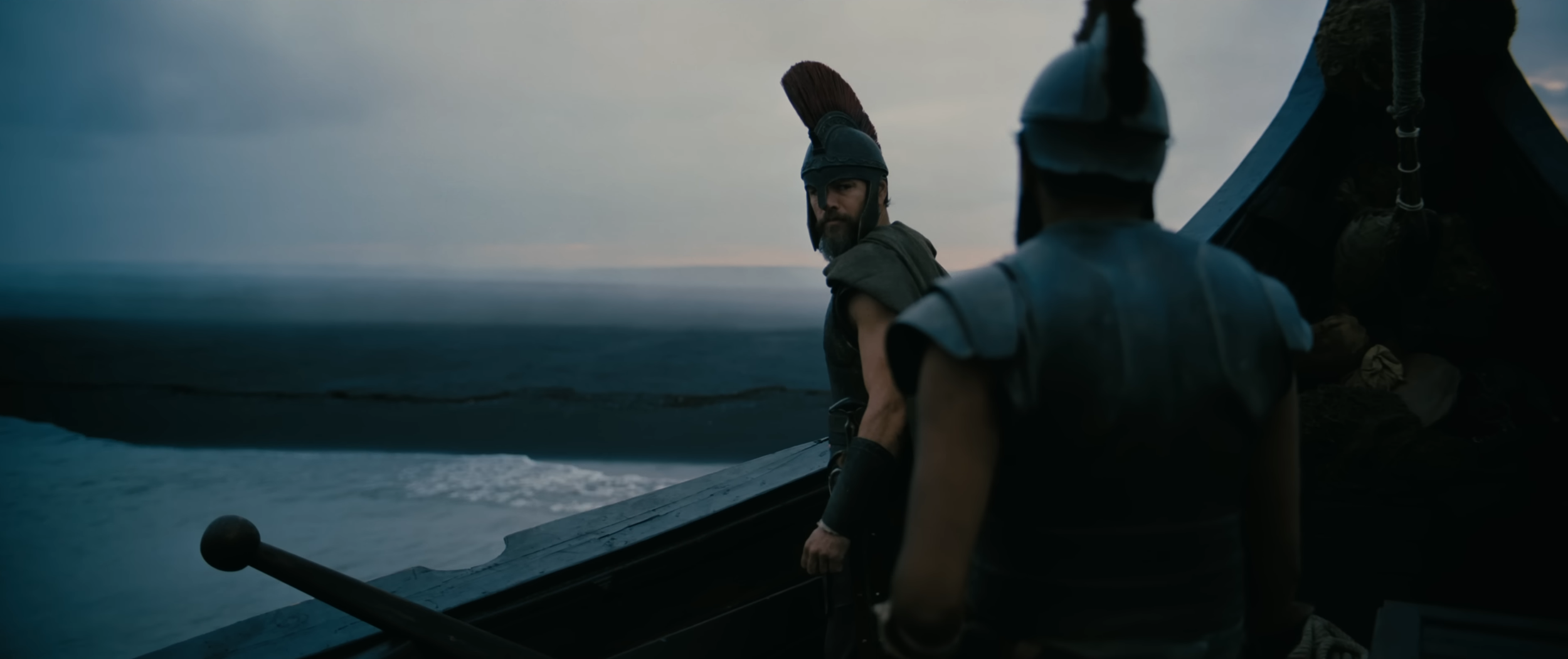
Man, where do I even start? Christopher Nolan one of the greatest of our time. Of course, there's other legends like Spielberg and all the other ones who paved the way, but there's something about Nolan for me that...he's the bar. Adding to his legendary catalog, he already has one of my favorite films of all time, Interstellar, and The Odyssey just adds to it. It's an experience. The Odyssey, for me, wasn't just a movie, it was a feeling.
Personally, I'm a fan of movies from that time period, from Troy to Gladiator to 300. Anything in that world. I love Spartacus, one of my favorite series of all time too. So I'm a fan of that period for sure, but The Odyssey is a feeling. Great movies to me don't even hit you right away. They feel like a moment you experience in your life, where it happens, and then a couple hours later, a couple days later, a couple weeks later, you get hit with something. That's what it was for me. I left the theater cinematically amazed, score amazed, visually amazed. But at the beginning I didn't feel what I feel now, now that a couple of days have passed. I think about some of the most iconic, the most important scenes. I think about the Cyclops scene. I think about the Giants scene. I think about the Siren scene. And now I'm brought back to that feeling that I almost didn't realize I even had at the time.
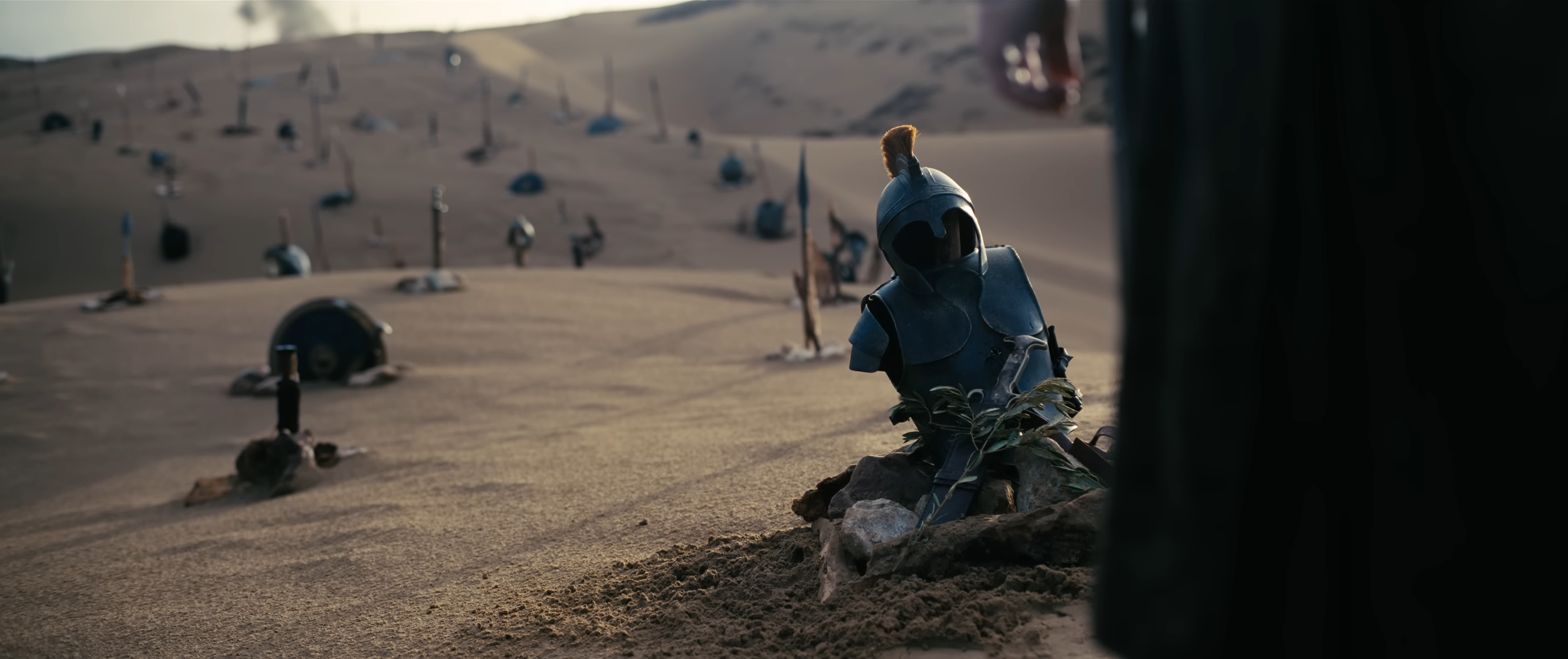
So this is where I begin this review. To give Christopher Nolan his flowers, and to really touch on a few things that stuck out to me. I won't give a full synopsis. This isn't Roger Ebert. I'm reviewing it as an Art & Creative Director, so I'm coming from my perspective, and just the things that I feel and like. I'm not going to break down every little aspect of the plot, what's good, what's bad, in between. I'm just going to respond to what I felt. And I think that's the most important thing a review could do.
It's not a perfect movie. Of course not. There's flaws in all art. So I'm not even going to focus on what's perfect, what's not, what's most accurate, because I don't really think all films are necessarily supposed to be about that. I think there's room for that conversation, but I think having your own artistic approach to it is what makes it great. And that's what I want to do here. So here's my review. One that's not just focused on the storyline and how accurate it was to the book, but one that's from the perspective of an Art Director, and how it relates to the job I do.
Every blog post, every journal post, anything I do, I like to have an angle to it. I like to make it relatable and make it feel different. Because what's the point of coming to me and reading what I have to say if all I'm going to say is what everyone else is talking about? How accurate it is, how realistic it is, how I feel about the casting, who could do it better? That's stuff that's always on the table, stuff I do have thoughts on, but I don't necessarily think it's the most important thing to focus on here.
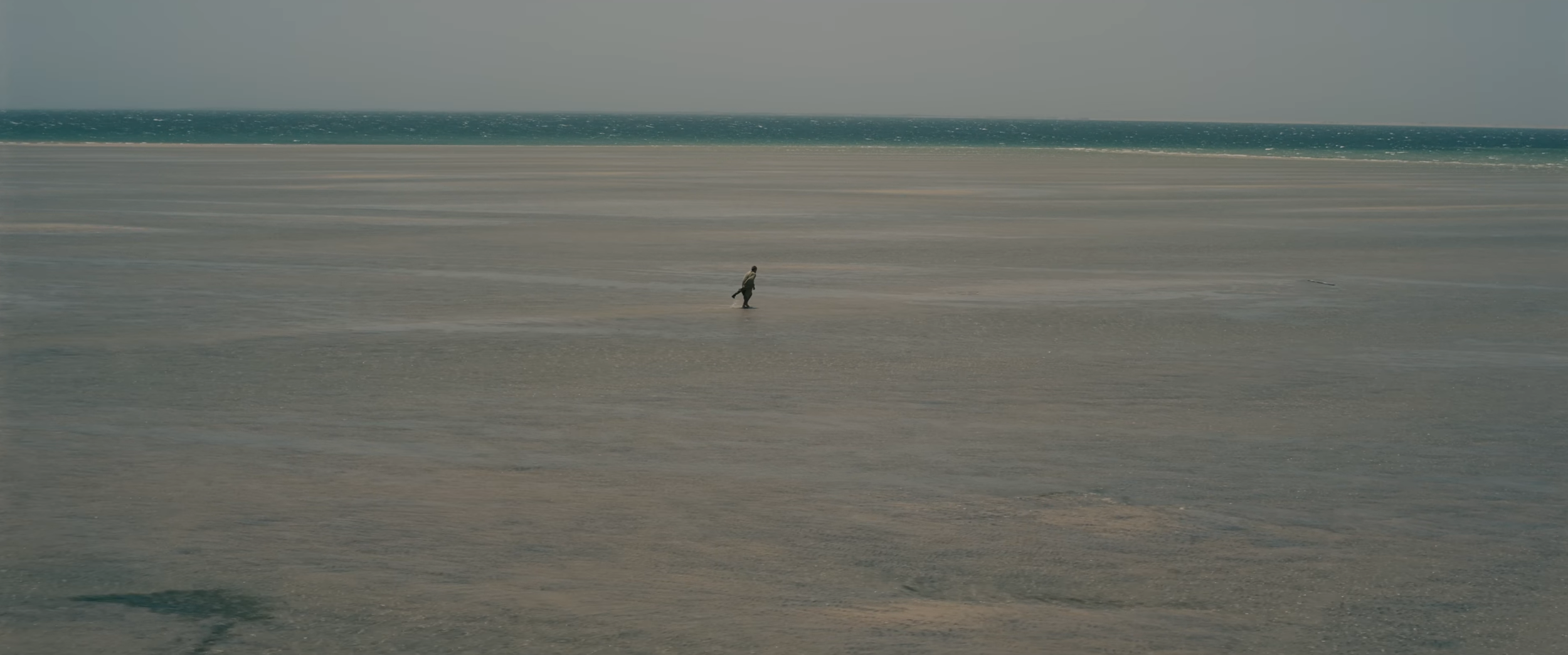
And that's where I want to begin. For me, the angle I want to focus on and speak on, from a creative perspective, is the idea of practicality. That's what I admire most about Nolan, and what I admire most about this film. Because practicality in today's world, in the modern world, is something that's kind of overlooked a lot in the creative industry. That's something I hold dear in my own creative process. If you've ever worked with me on set, or even one of my producers can tell you, I'm always the "do it in camera, do it on set" guy. I hear people say, oh, we could just do it in retouching. Oh, we could just do it in post. Oh, we could do it with this, we could do it with that. And I say no, I don't want that. I want it done for real. I want it done in person. I want it done practically.
Practicality in art, to me, creates the best art. A lot of times it's not just about how perfect we can get it. Because if it's just about being perfect, then of course that's when CGI comes in, that's when special effects come in. When you're making art, to me, sometimes the best art is created through practical elements.
And that's what Nolan did. He made that a big, very critical point for what was probably, his most anticipated movies of his entire career, with a huge budget. The all-star cast, pulled from every movie he's done and some he hasn't, bringing in top talent, from Anne Hathaway to Matt Damon to Tom Holland to Lupita Nyong'o, Jon Bernthal, and more. It's practicality. Practicality is the name of the game. Practicality is what I stand for in my work, and what I admire most about Nolan's work. So as I get into this review, I'm going to dive deep into certain elements of why I think that's important in art, and what made it so special to me in this film.
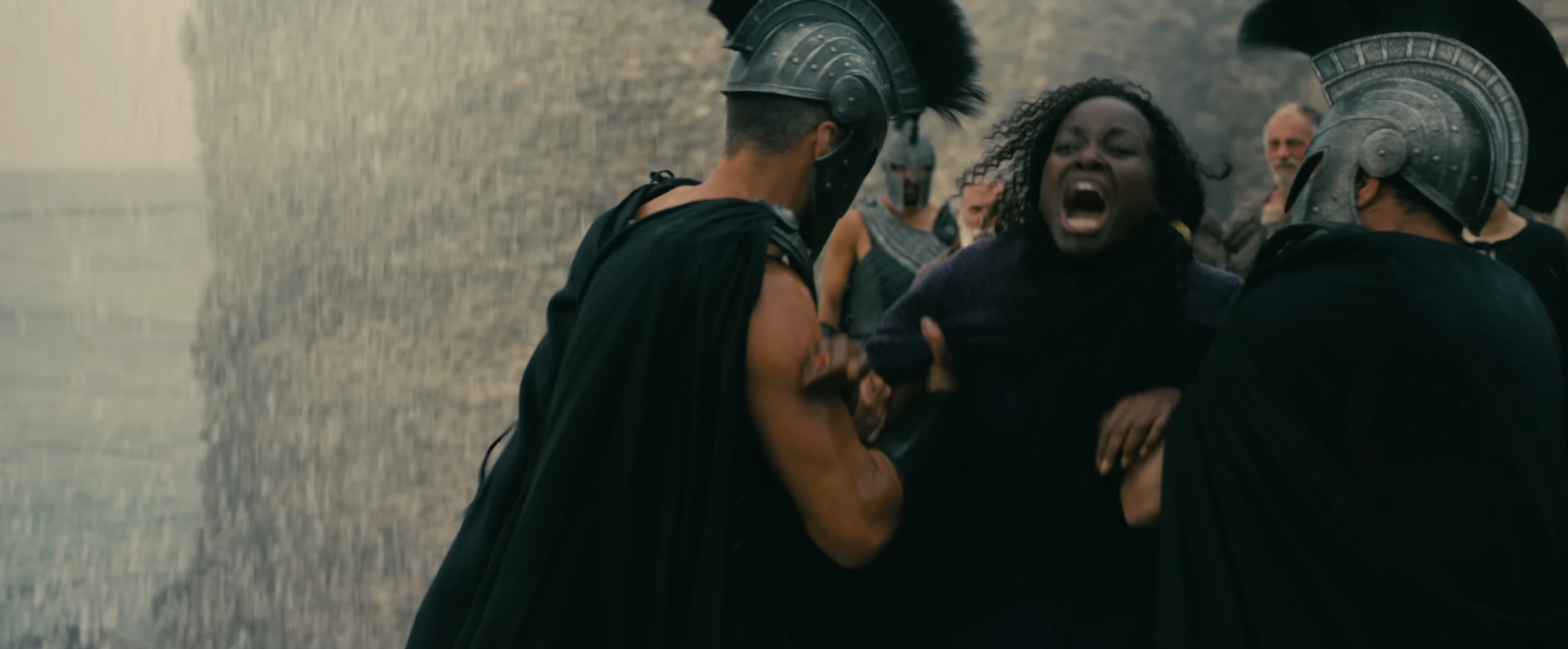
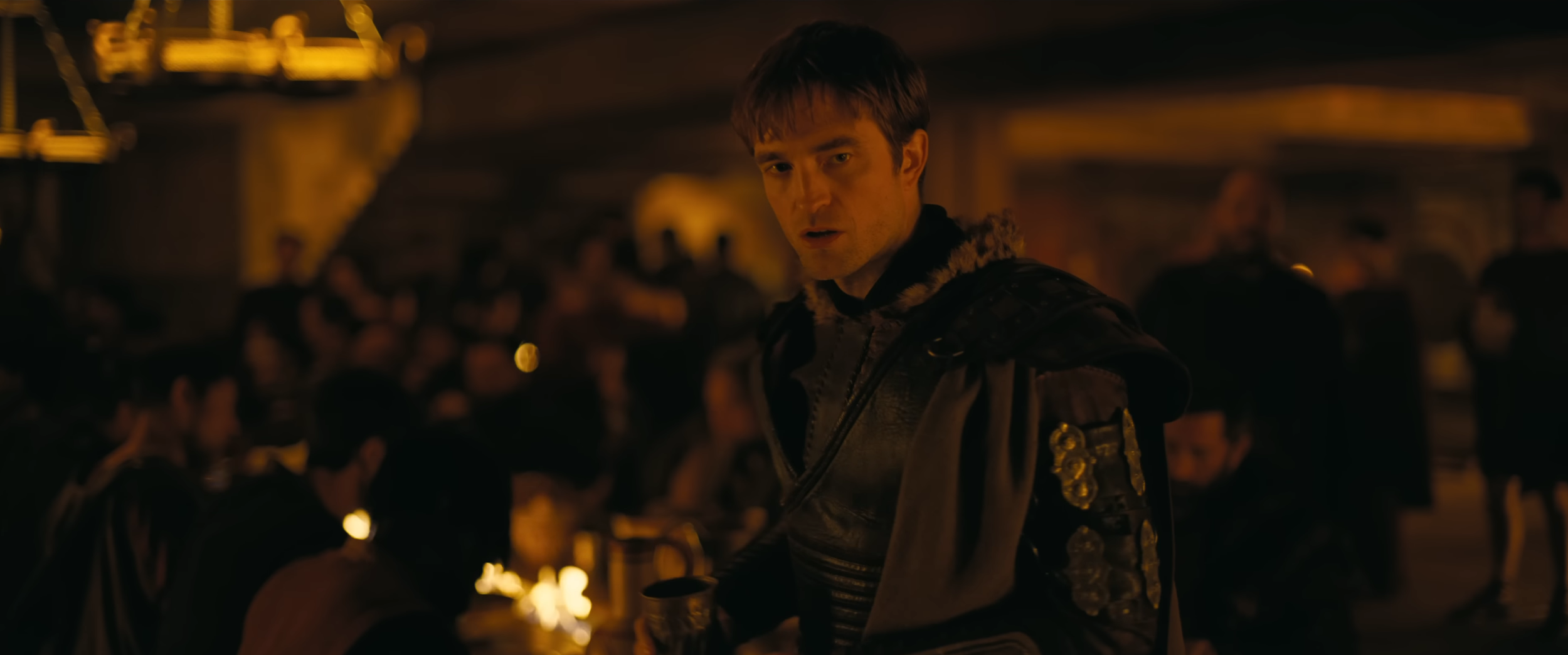
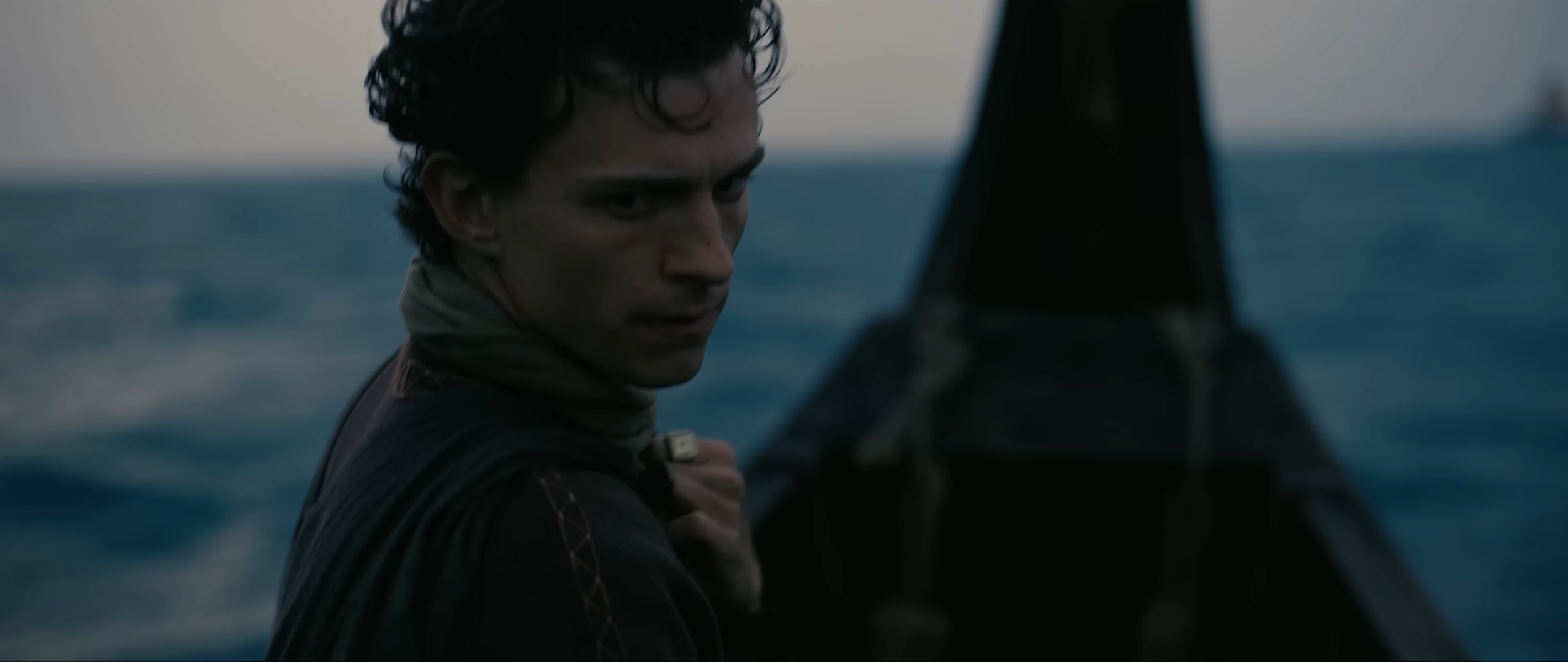
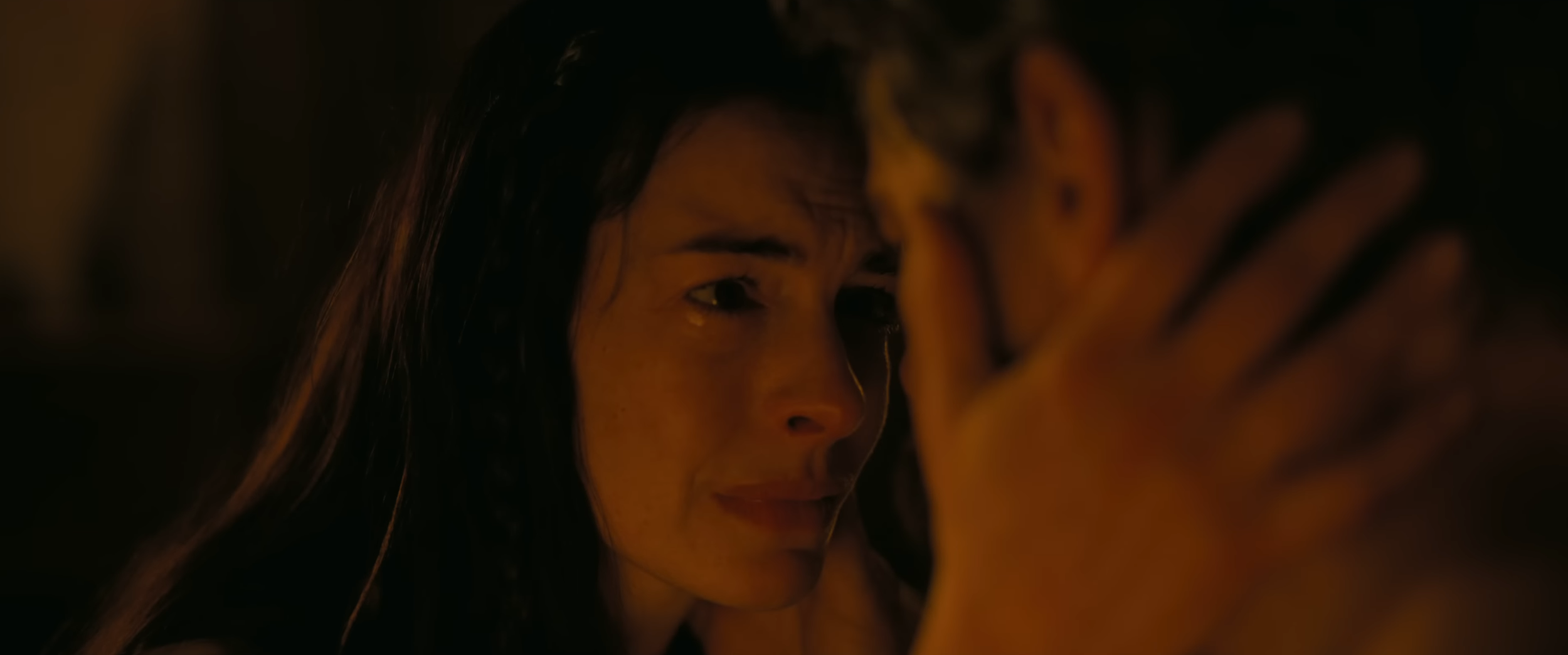
So let's break down practicality. The reason it's important to me is because when things are done practically, meaning done with real life adaptation, real life implications, real life things, it's not about how perfect that looks on screen or how perfect that looks in a photograph. I think it's more about what that does for the art itself and what's translated through that. And when it's done on set, the artists, the models, the actors, whoever it is, they feel it. They can sense it, they can hear it. There's a sense of the scene you're setting, the moment you're creating, as an Art Director, a Creative Director, or Film Director, that the viewer can feel.
For example, it's like when you're doing a scene, and it's a group of models and the concept is a Summer Backyard party. Yeah, you could just have people act out a party, feel like it's a party, and hope that translates. But when you do things like put on the song of the summer during that shoot, people can feel that and hear that as they're modeling, as they're acting out the scene, that translates on camera. There's something that creates when people are experiencing the very thing you're trying to create. And when you push yourself as a creative, as a Director, like Christopher Nolan, when you push your team, and you push the cast or the models to do it in real life, you feel something, they feel something, and that ultimately is what creates the best art.
And that's exactly what The Odyssey did. That's exactly what you felt in some of the most iconic scenes in this film. A few I want to touch on: there's the Cyclops scene, there's the ambush by the Giants, there's the scene with the Trojan Horse, and, to me, one of the most impactful, the now critically acclaimed, Siren scene on the boat with Odysseus's crew. These alone exemplify the point I'm making, and why practicality is such an important factor, and what practicality does for the cast, and ultimately for the art.
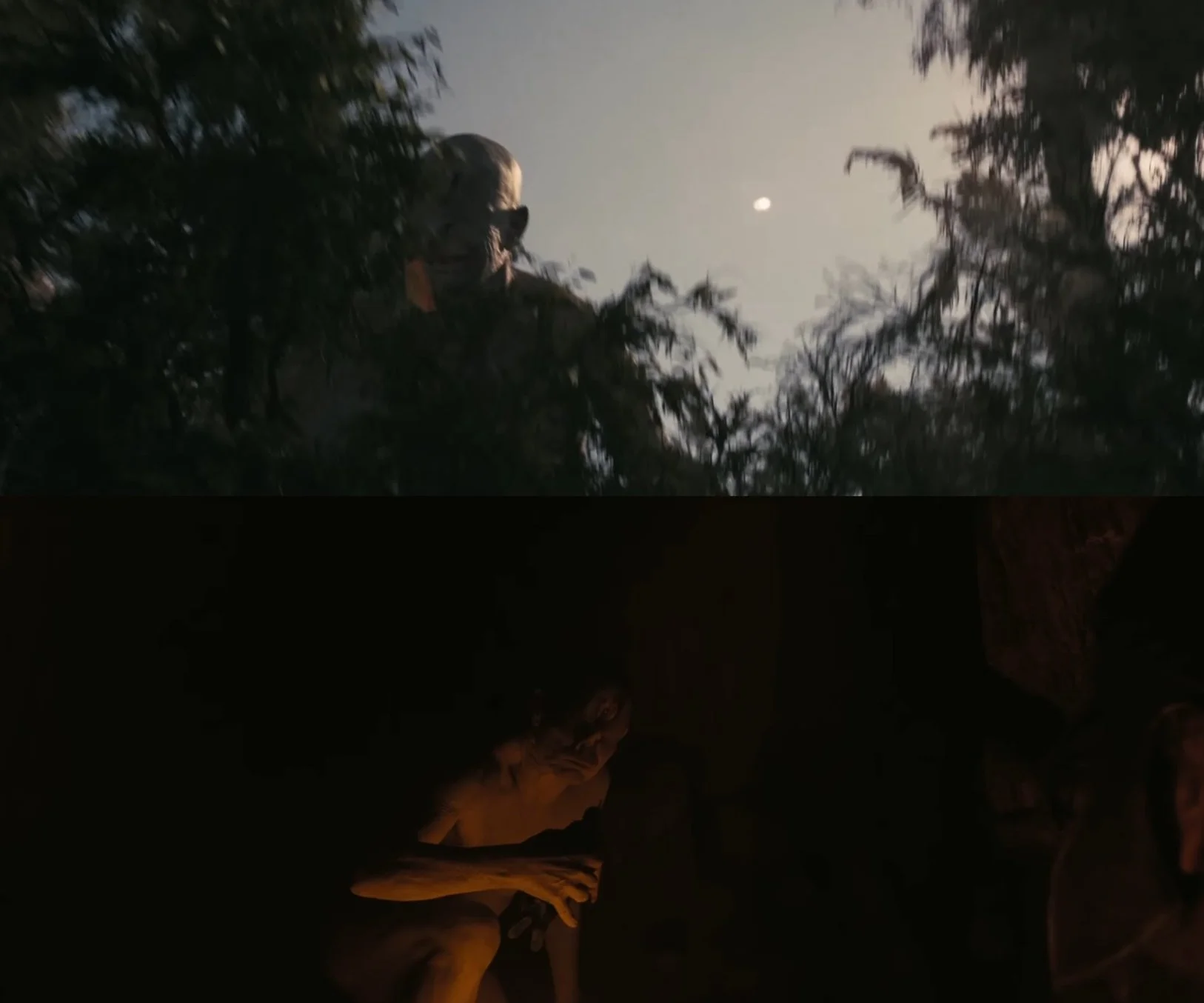
When you think about the Cyclops scene, the fact that it was created with a real life, giant sized, puppeteered figure, was to create the feeling of what it must have felt like in the story. So when you're watching Odysseus's crew stuck in this cave, what also happens is you feel the sense of what it felt like to be stuck in that cave with a giant with one eye, a giant that could eat you like an insect, even as a full grown soldier in the Trojan War.
And I think what helps you feel that sense of uneasiness, that nervousness, that being frightened of how they're going to make it out, isn't just because you were seeing it on screen. It's because the actors felt that. They created that scene standing amongst a "real life" giant, the fear, the distrust, the anxiety translated so well on screen. There was something in front of them, something to look up at, something to make them imagine what it would have felt like for this Cyclops to be a real figure standing in front of them. That's what helped it translate.
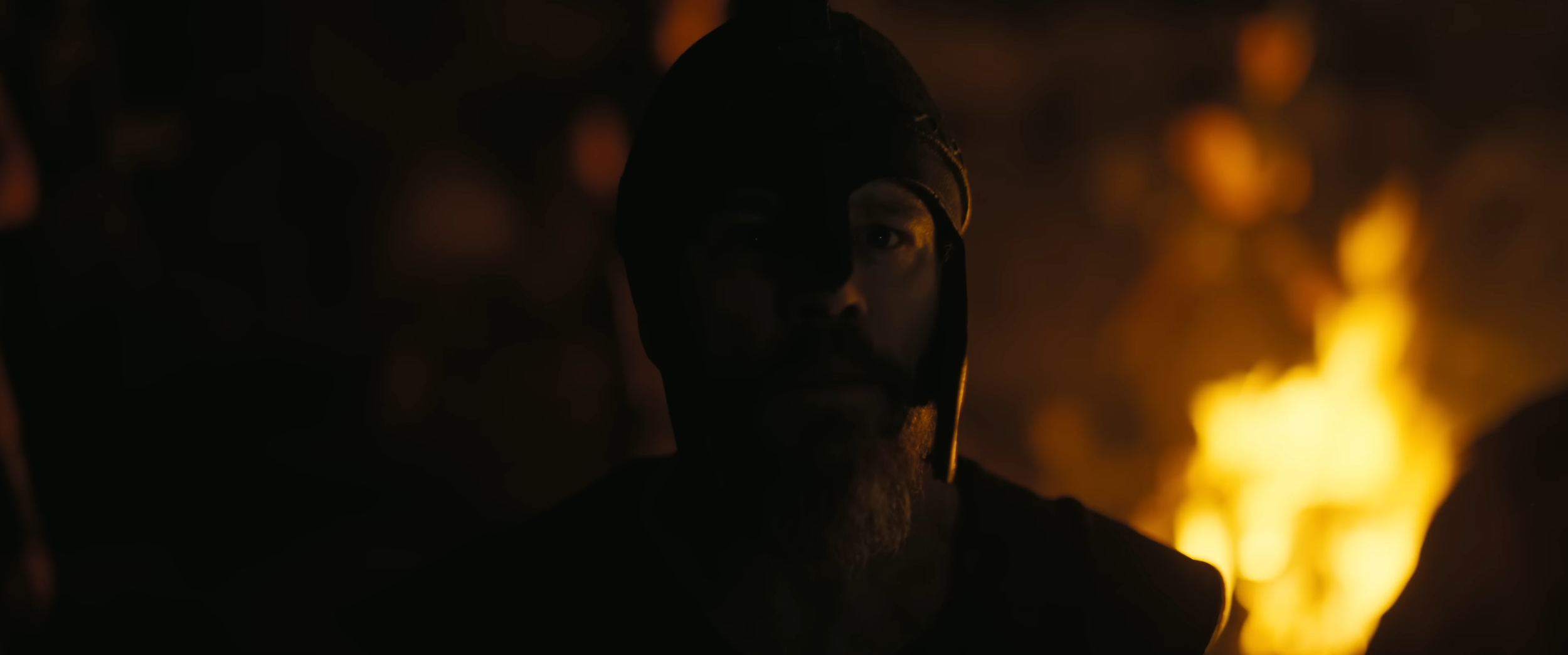
Now versus if it was just a group of actors, Matt Damon and Odysseus's crew, standing there with a green screen, imagining there was a giant in front of them, imagining they were in a cave, but instead they're just in a studio on some big sound stage in the middle of Los Angeles. The fact that they were standing in that cave, the fact that the cave was dark, the fact that they were wearing the heavy armor the soldiers wore back then, the fact that they could look up and see this frightening giant, that's what made them feel everything the story felt: sweating, cold, scared, unable to see anything.
That's what helped translate that intensity on screen. Intensity is created through real human experience. It doesn't come from imagination. Intensity comes when you can see it on someone's face. You can see it in their eyes. You can see it in their mannerisms. And that's what that scene did with the Cyclops. You felt that immediately, you heard the raw fear from its scream that jumped you out of your seat, because you could feel what it must have felt like at that time, for the soldiers, and in this case, for the actors depicting it.
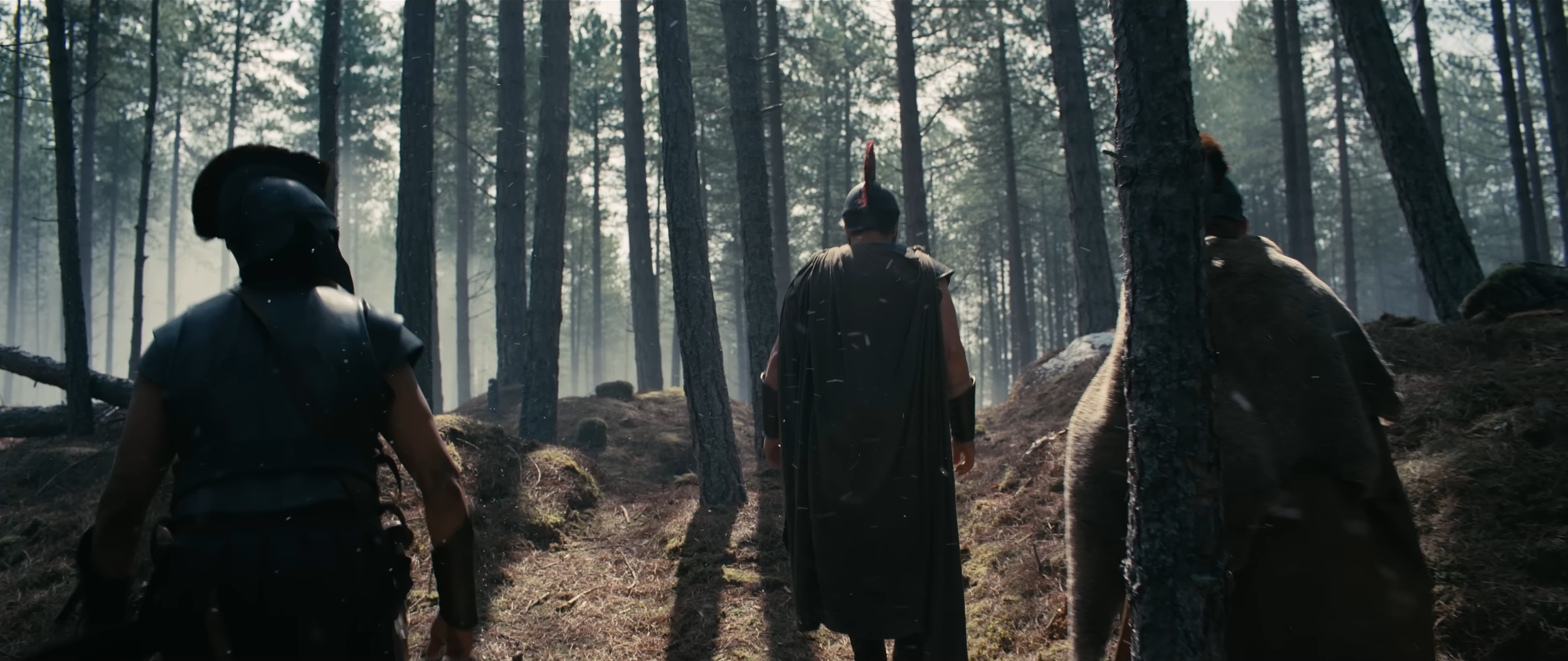
Next, the ambush by the Giants. What I love about this in particular is what we like to call, and any creative knows what I mean, the scrappiness. The creativity, not just in concept and ideology, but the craziness of getting it done in camera. As I learned after watching the movie, with this scene, the Giants ambushing Odysseus and his crew on the island, even with a multi, half a billion dollar budget, with the greatest actors, with almost unlimited resources, he had every opportunity to make it CGI. Christopher Nolan still decided to make that scene practically. What he did was create it with camera tricks, in camera, and different angles. So if you watch that scene, when you're looking at the front of Matt Damon and his crew, you're seeing them, you see what it looked like on their faces. You get the expression, you get the acting from them. But when it switches to their backs, that's when the trick happens.
Christopher Nolan hired a bunch of seven foot plus actors to play the giants, and hired very short, maybe four feet tall, very in shape, bodybuilder looking actors to stand in for Matt Damon and the crew from behind. So flipping back and forth, when you see the front of them, you see Matt Damon, but when it cuts to their backs, running, fighting the giants, you're actually seeing these short, four foot stand-ins. Doing that, he was able to create a real sense of scale. That contrast in height, size, and weight, cut together through the camera angles, translates to the viewer the intensity of what it was like to be a normal sized man fighting these towering giants.
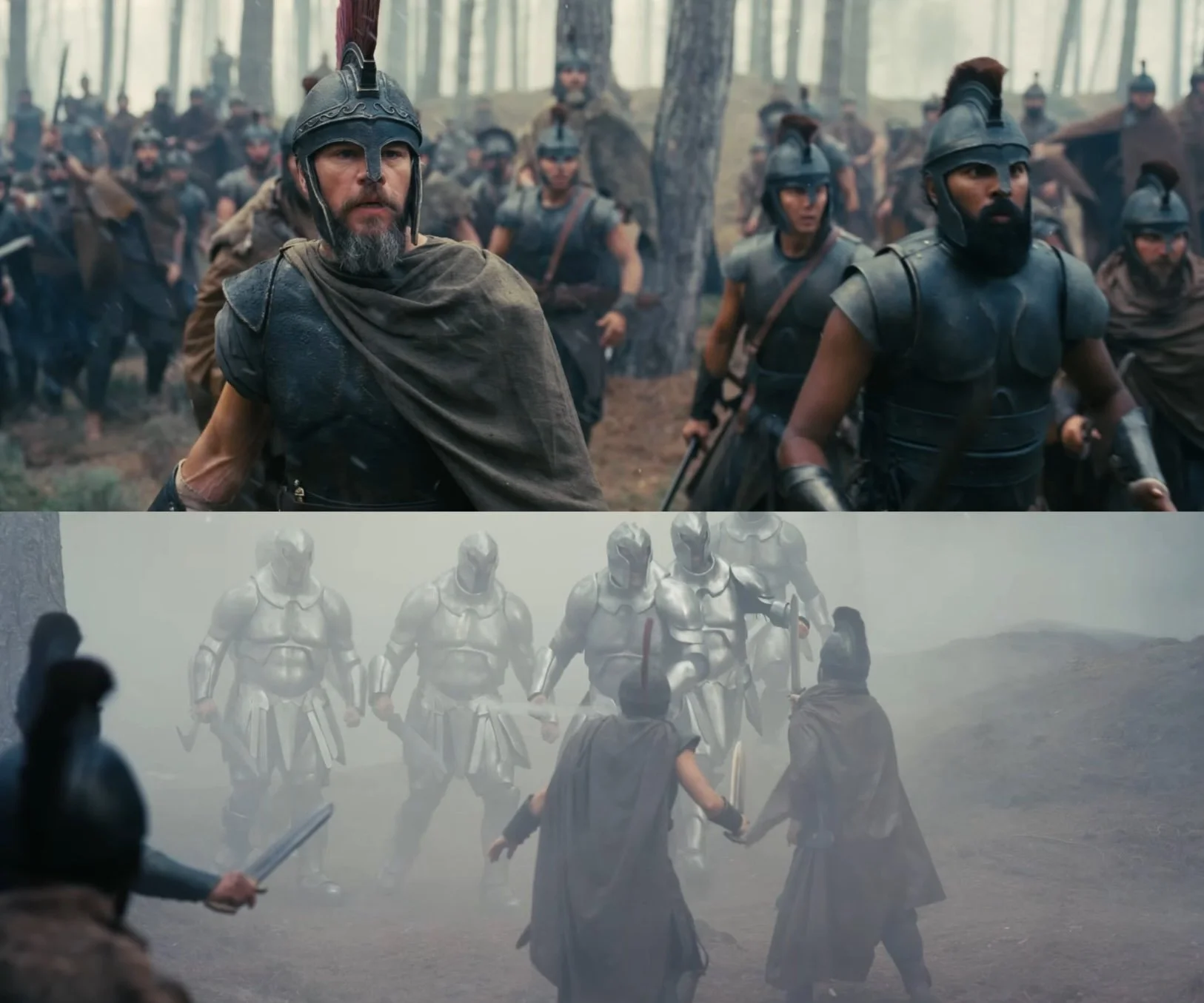
Doing it in camera, with that slight trick of showing the actor's face and then having their back turned and swapped, wasn't necessarily just about a stunt double protecting the actor while acting out the scene. It was more about pushing further, creating an even more intense relationship and contrast, the difference between the soldiers and the giants. Again, another amazing trick to create and focus on what the intensity felt like, what it must have felt like to see that, to feel that, to hear that, rather than just having the actors stand on a sound stage trying to act it out, trying to imagine giants standing in front of them and trying to make you believe that. He didn't have to make us believe it because we were able to see it with our own eyes.
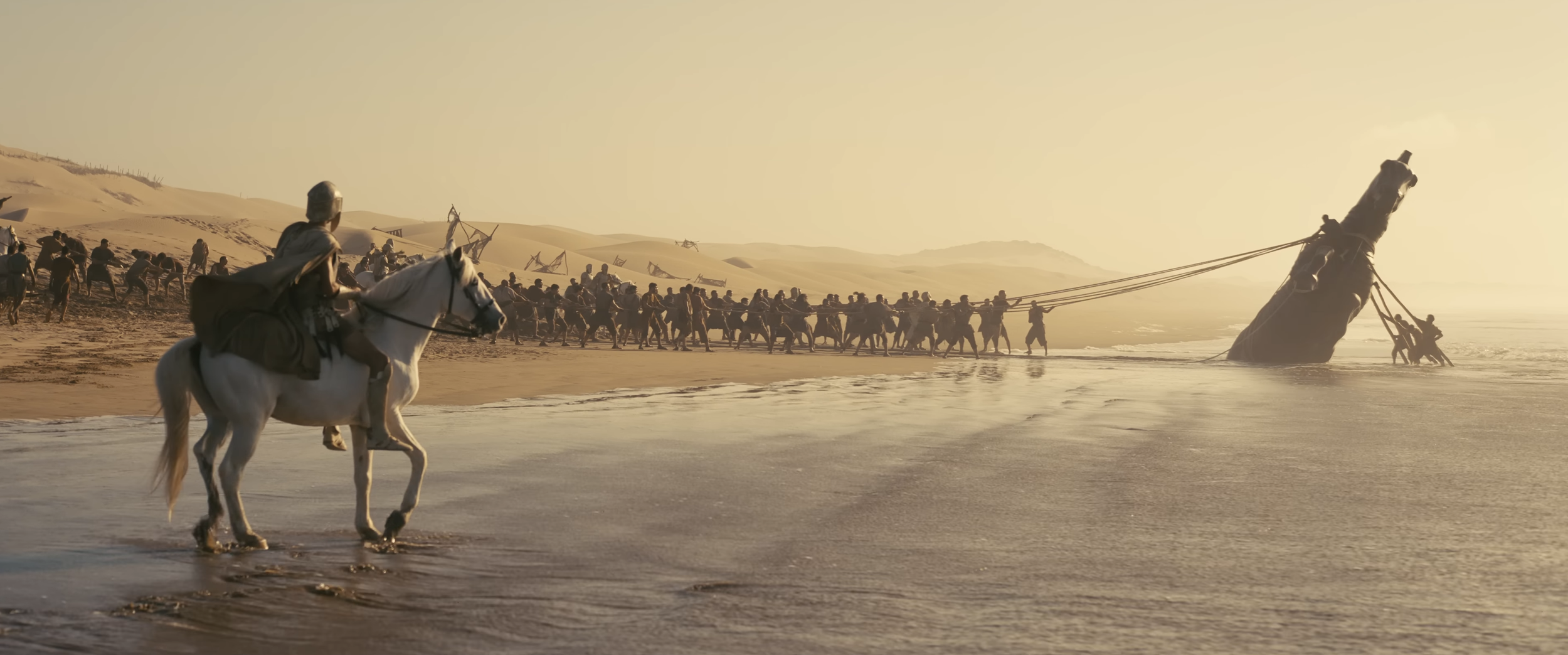
Next, I go to the storming of Troy with the Trojan Horse. That scene alone cinematically had me in awe, but after watching an interview with Matt Damon, who plays Odysseus, I was even more taken aback. Through the interview, Matt Damon explains how Jon Bernthal set the tone for that scene. He describes them being inside the horse, all cramped, cold, halfway underwater. Jon Bernthal shivering, waving his hands back and forth as Nolan asked him if he's okay, him screaming "just go, just go." Something like that, you can't fake. CGI can't create that.
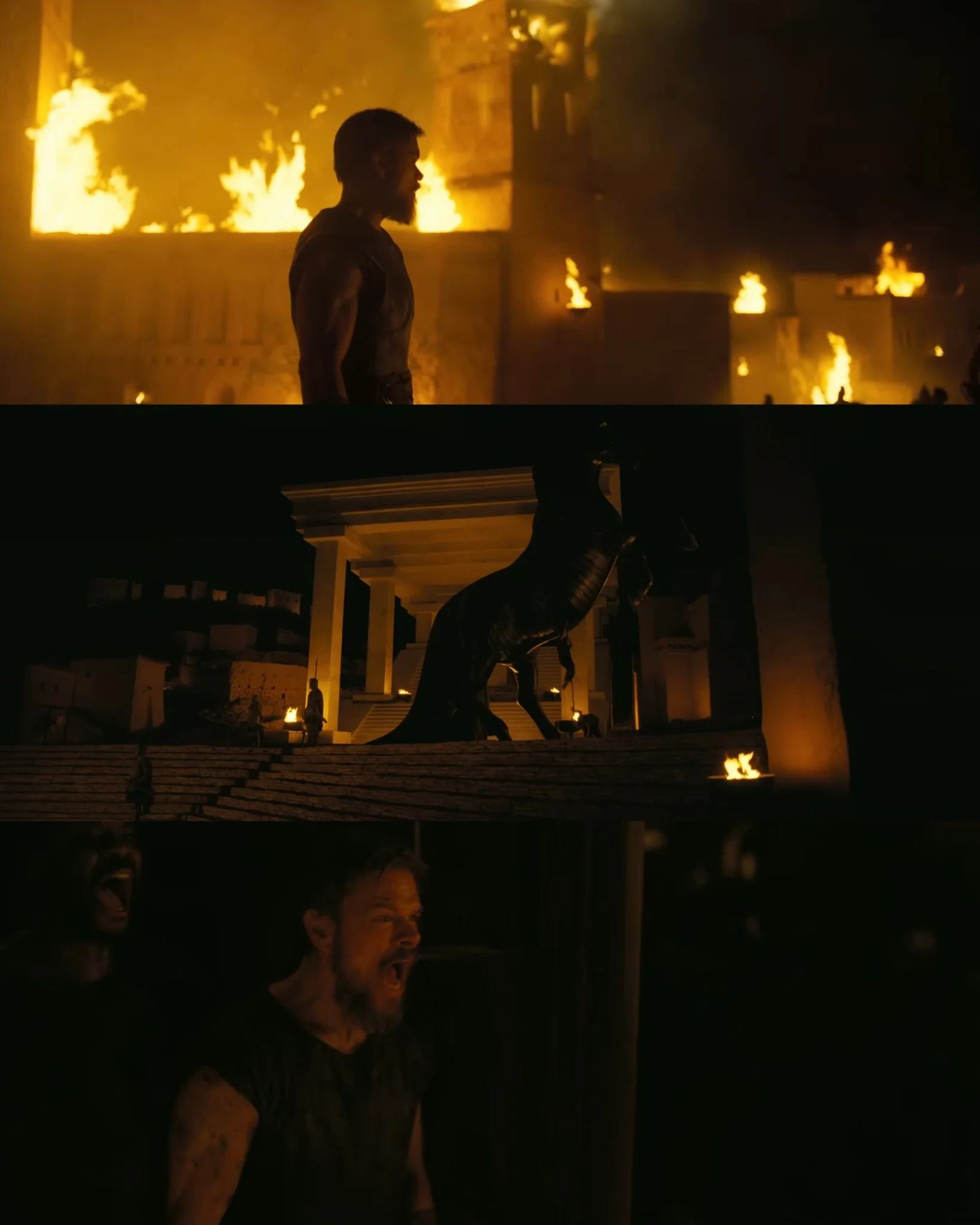
That's a real feeling, a real expression, a real experience. You bring that energy to a scene where they're about to reenact the storming of Troy, that translates to the viewer. They feel all of those emotions, the claustrophobic feeling of fifty plus men stuffed inside a horse, what it could have really been like to be in that position. This is what practicality creates for the viewer and the cast. The relationship between the cast and viewer is immediately heightened. There is a real experience felt to create it, and then felt when seeing it. For movies, but even photography, even fashion campaigns, it's something that translated to my Spring 22 campaign in Marfa, Texas (link here), because we weren't just emulating the Open Road, we were really living it, middle of nowhere in Texas, truly experiencing it.
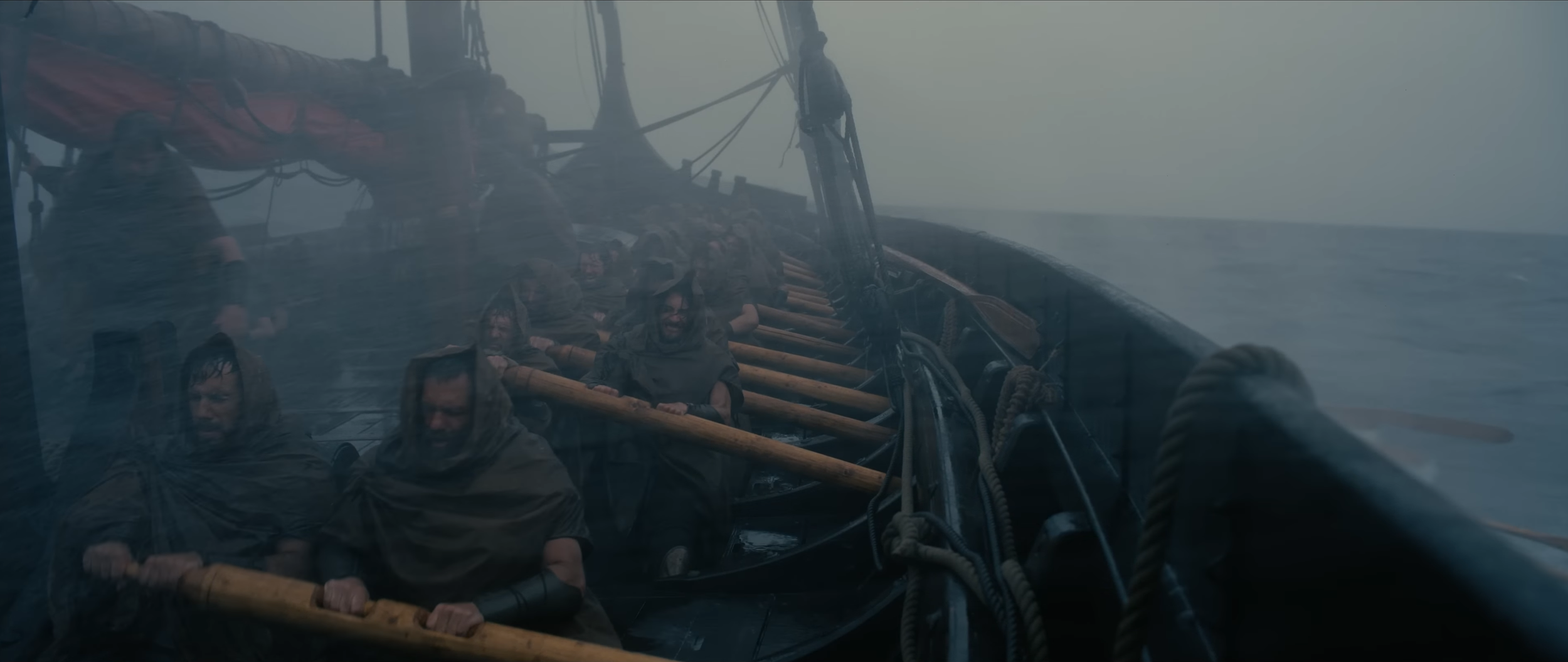
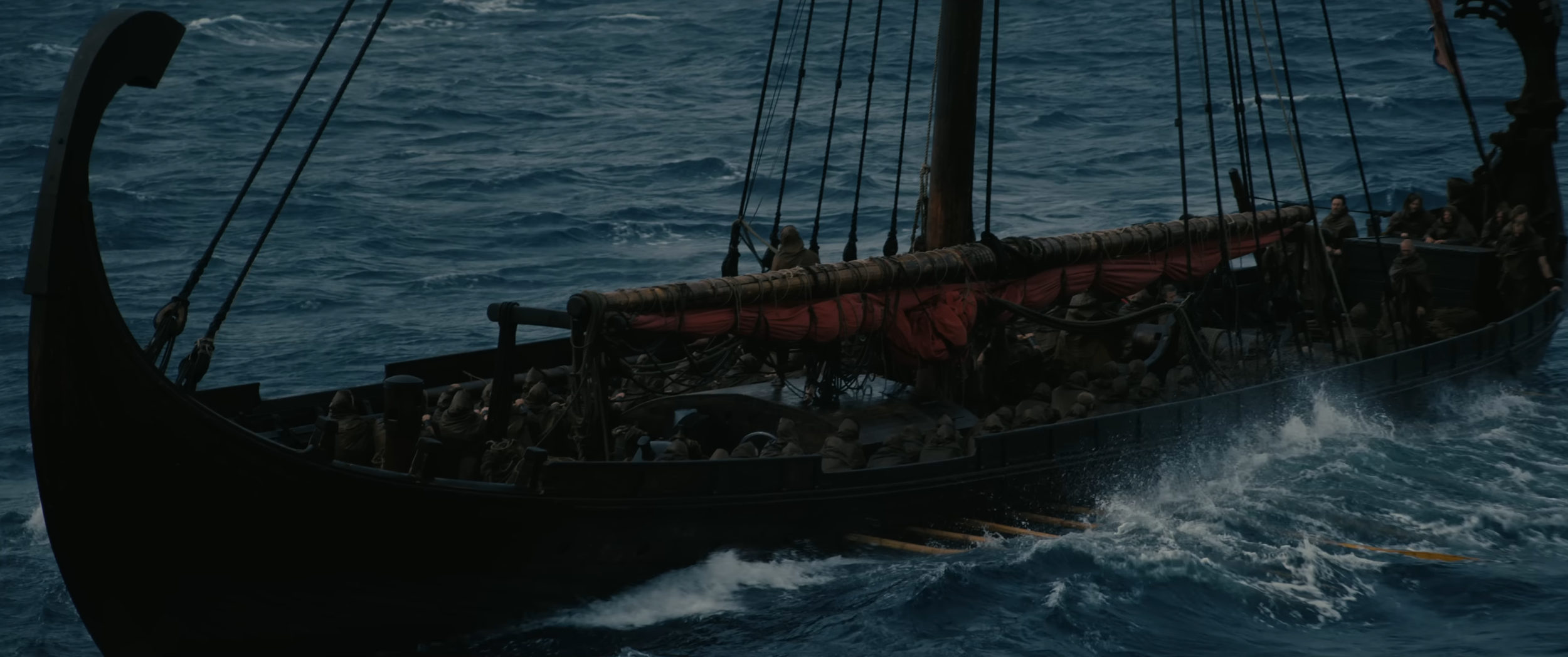
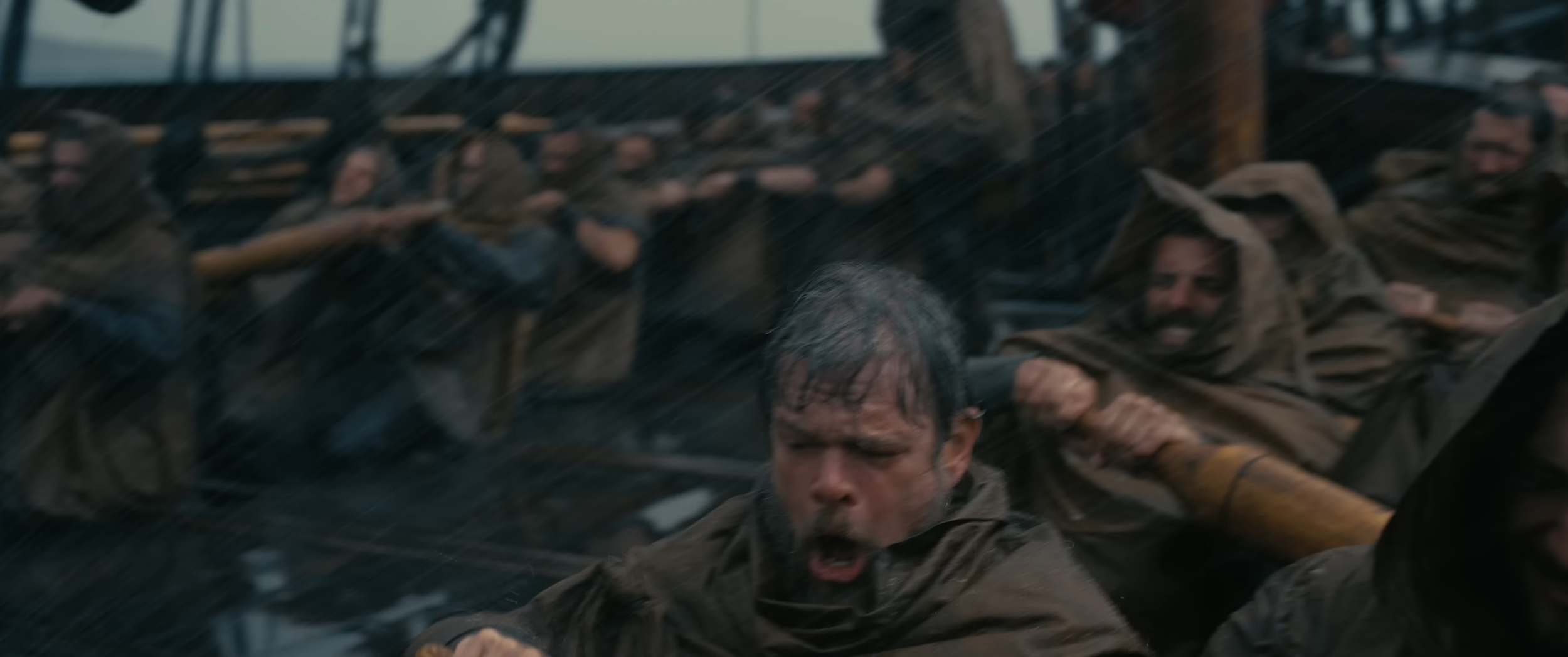
And lastly, this brings me to the Siren scene. This is one of those that will go down in cinematic history, arguably one of Nolan's greatest scenes in this movie and of all time. As I read about it more, I learned that Nolan had the actors actually place wax in their ears during the scene as the infamous Siren's song played. Ludwig Göransson, the composer of the soundtrack, recreated the ancient aulos and early lyres, two of the most important and defining musical instruments of ancient Greece, representing distinct acoustic profiles, cultural associations, and social functions. With this, the sounds they heard on that boat as they rowed through the waters were real. It was what the ancient Greeks heard, and the sound, the quality, the roughness and rawness of those instruments could only add to the experience they had, which in turn translated to what we see on camera. Imagine hearing sounds from instruments thousands of years ago in ancient Greece, that feeling they had, we could see it. We could almost hear it ourselves as Matt Damon is tied to the boat, screaming in agony and pain, for what such beautiful music could do to a man torn by his decisions in life, and whether he was even worth returning to his family.
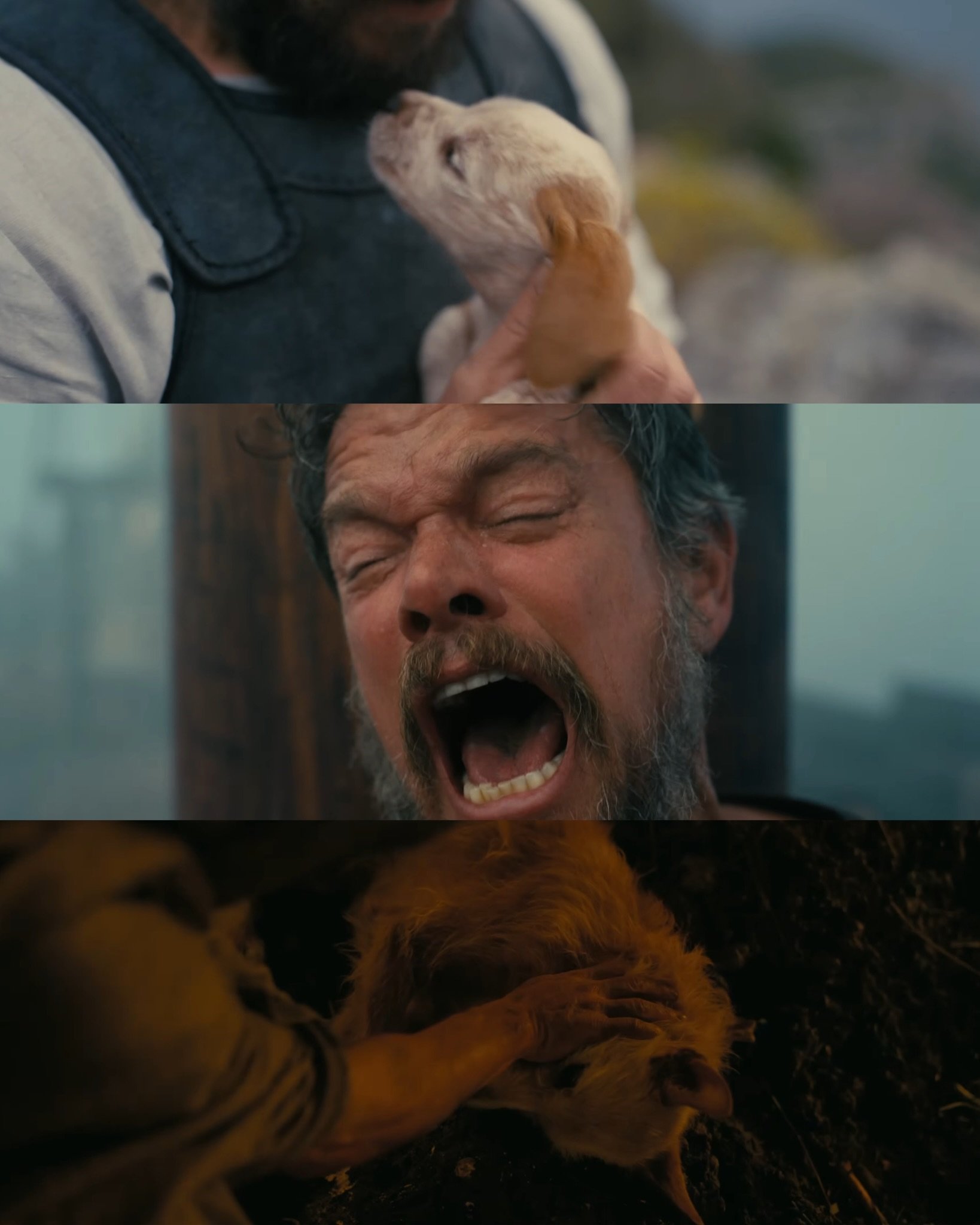
This is just a bite sized look at what The Odyssey felt like. Watching it in IMAX 70MM at AMC Lincoln Square was true cinema. The sound, the cinematography, the score, the atmosphere, all played together to tell this story that I struggled to even imagine how it would play out on screen. But Christopher Nolan did it. He achieved it. And most importantly, he did it in real life. Practical effects, set dressing, camera angles, all things that come together to create real art. It's easy to sit behind a budget and just do it in special VFX, heavy retouching, and post work, but being a great artist is about making it come to life as close as you can. Art is a reflection of the human experience. When you create that reflection through true human senses and emotions, I believe you don't create perfect work, but you create the best type of work.
One that is felt, seen, and ultimately experienced.